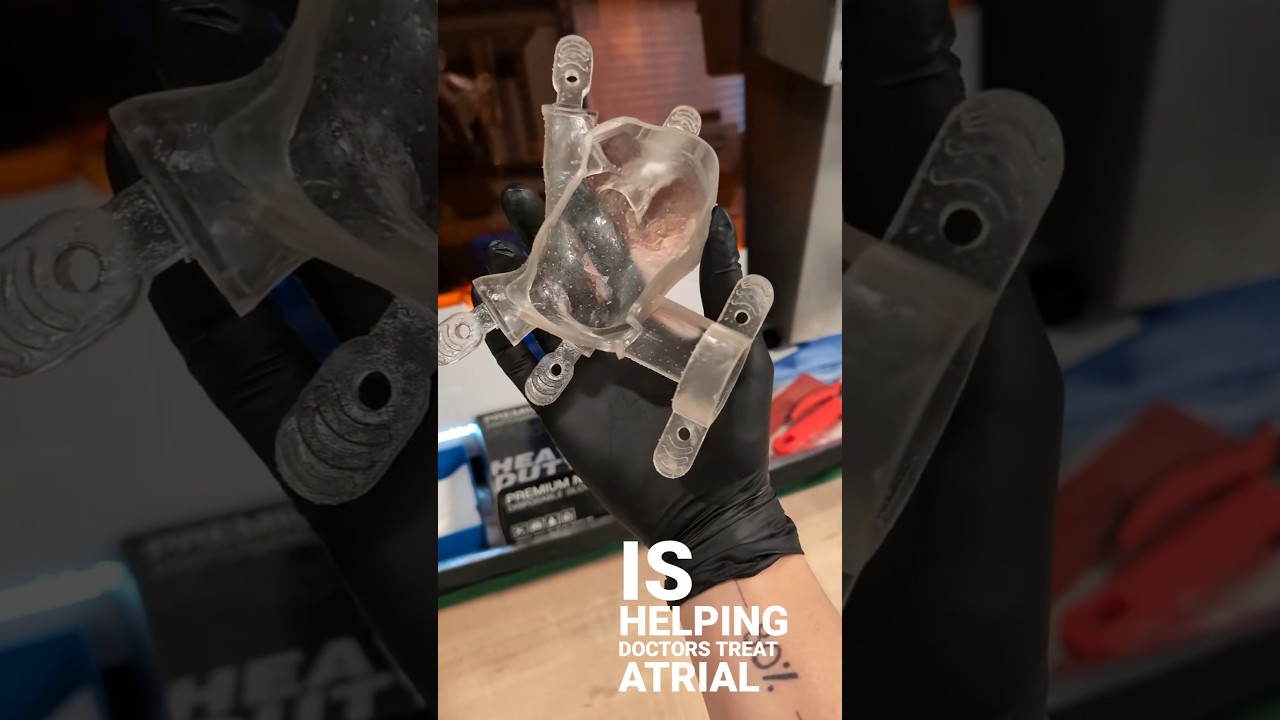
Wanted to know if anyone has had any results to share using Elastic 50a on the 4L’s? Wondering if anyone has printed with lattice structure and how thats affected its flexibility?
Curious about surface finish support removal & post processing.
This is great thank you for the quick response even just seeing video of elastic 50a is helpful.
You mentioned learning curve for this material what things should I be on the look out for?
I know this material requires you to place it in the cure with water. Especially with these larger flexible prints what are you using to submerge it into water to cure. I know Formlabs recommends something clear can I put it in a plastic container?
Do you have any experience with using lattice structures and printing with this material?
Just chiming in for your second point, it would depend on your plastic container. Some plastics will block specific wavelengths of light, and can result in the light not penetrating through to the parts in the water. It’s pretty tedious to test for this, so I personally usually just use a glass beaker to avoid the headache.
Good to know thank you this step is what I’m most curious about! Does a 1000ml cover most large print jobs? Do you recommend curing with supports on or removing before placing into a beaker?
This might be borderline though…I’ve seen some other graphs where transmission has a sharp cutoff near 350-400nm…though I know that acrylic also behave similarly and transmit a decent amount of 405nm.
Probably best to get a glass container if you are just starting.
Support removal is harder than rigid resins, you need to really minimize supports manually when you can - default settings is generally way too conservative. You need to dry parts properly, they absorb IPA significantly and swell, if you don’t dry them they will stay enlarged after curing. There are probably some others. I have a video I’ll post soon.
See my other post above
No experience using lattice structures unfortunately - mostly anatomical models and gaskets or other squishy flexible objects